Culture4 min read
Precision in Everyday Life
Precision is not only for laboratories and launch pads. It lives in the small, ordinary moments that shape a day.

We tend to associate precision with extremes: rocket launches, racing pit lanes, research labs. But most of the precision in our lives is quieter. It is catching the 7:42 train, timing a perfect espresso, or leaving a meeting exactly when you said you would.
Small moments, measured
A countdown timer turns a rest interval into a promise you keep to yourself. A stopwatch tells you whether today's run really was faster. A second time zone keeps a friend's evening in view while your own morning begins. None of these moments are dramatic, yet together they give a day its rhythm.
Why a dedicated watch still matters
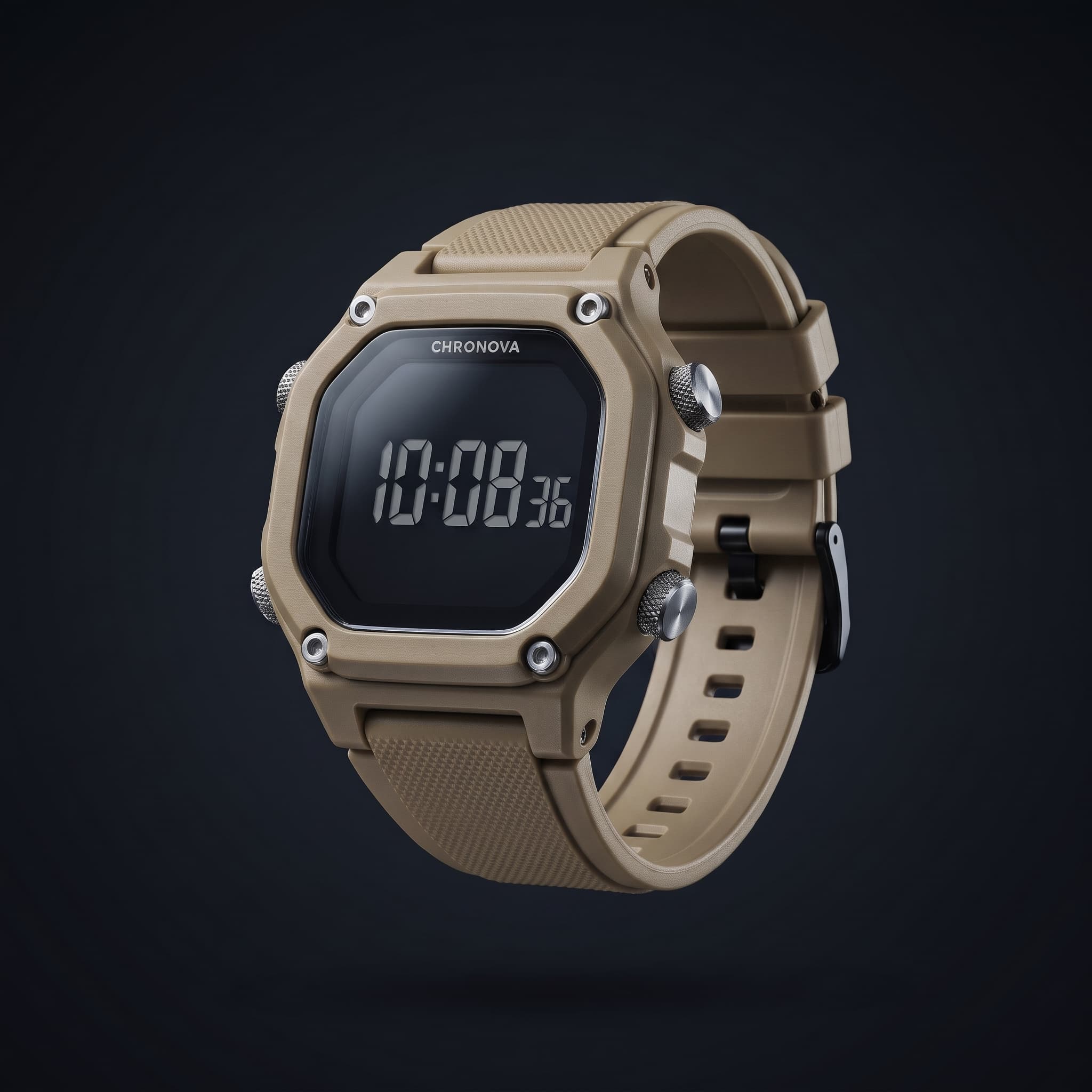
Phones can do all of this, but they come with everything else attached. Checking the time on a screen often turns into checking messages, then the news, then something else entirely. A watch answers one question and lets you get back to what you were doing.
The most useful tools are the ones that ask for nothing in return.
Built for repetition
Everyday precision depends on reliability. Our watches hold their accuracy within fifteen seconds a month, run for years on a single battery and shrug off rain, sweat and the occasional swim. The point is not to think about your watch, it is to trust it.
Precision, in the end, is a form of respect: for your time, for other people's time and for the plans you make. A good watch simply makes it easier to keep.
Written by CHRONOVA Studio
Explore the collection